
What is Splenectomy?
Splenectomy is a surgery to remove the spleen. The spleen is an organ in the upper left side of your belly. It helps fight infections and filters blood. Sometimes, doctors need to remove the spleen to treat certain health problems. Although the body can work without a spleen, you may need to take extra care after surgery. Many people search for information about splenectomy recovery and spleen removal surgery risks. This guide will help you understand what to expect before, during, and after a splenectomy.
Why is Splenectomy Performed?
Doctors may suggest a splenectomy for several reasons. Often, it is done when the spleen is damaged or causing health issues. For example, some people have blood disorders that affect the spleen. Others may have injuries or diseases that harm the spleen. In some cases, removing the spleen is the best way to protect your health.
Symptoms and Conditions Leading to Splenectomy
Sometimes, people have symptoms that show a problem with the spleen. For instance, you may feel pain in your upper left belly. You might also notice easy bruising or frequent infections. If you have these signs, your doctor may check if you need a splenectomy. Common conditions that lead to spleen removal include:
How is Splenectomy Diagnosed?
Doctors use several tests to decide if you need a splenectomy. First, they will ask about your symptoms and health history. Next, they may order blood tests to check how your spleen is working. Often, imaging tests like ultrasound or CT scans help doctors see the spleen. These tests show if the spleen is damaged or enlarged. After reviewing the results, your doctor will discuss the best treatment plan with you.
Preparing for Splenectomy Surgery
Before surgery, your doctor will give you clear instructions. You may need to stop taking certain medicines. In addition, you might get vaccines to help prevent infections after surgery. These vaccines protect against bacteria that the spleen usually helps fight. Your doctor will also explain what to expect on the day of surgery. It is important to follow all instructions to help your recovery go smoothly.
The Splenectomy Procedure: What Happens During Surgery?
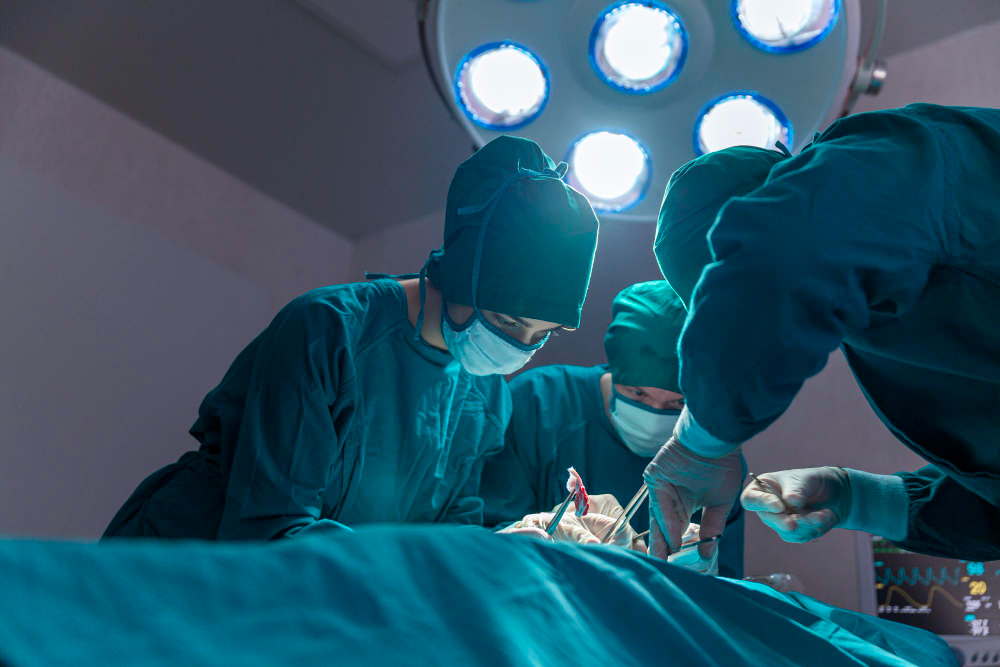
During a splenectomy, you will be given medicine to help you sleep. The surgeon can remove the spleen in two ways. Sometimes, they use open surgery with a larger cut. Other times, they use a laparoscopic method with small cuts and a camera. Both methods are safe, but your doctor will choose the best one for you. The surgery usually takes one to three hours. After the spleen is removed, the surgeon closes the cuts and you go to a recovery room.
Recovery and Aftercare
After splenectomy, you will stay in the hospital for a short time. Most people go home within a few days. However, recovery time can vary. At home, you should rest and avoid heavy lifting. Your doctor will give you instructions for wound care and follow-up visits. It is important to watch for signs of infection, such as fever or redness around the wound. Many people wonder about splenectomy recovery and life after splenectomy. With proper care, most people return to normal activities in a few weeks.
Risks and Possible Complications
Like any surgery, splenectomy has risks. Some people may have bleeding or infection after surgery. In rare cases, there may be problems with nearby organs. After spleen removal, you are more likely to get certain infections. This is because the spleen helps fight bacteria. However, vaccines and careful monitoring can lower these risks. Talk to your doctor about spleen removal surgery risks before your procedure.
Lifestyle Tips After Splenectomy
After splenectomy, you can live a healthy life with some extra care. For example, you should wash your hands often and avoid close contact with sick people. It is also important to keep up with all recommended vaccines. If you travel, ask your doctor about extra precautions. Carry a medical alert card that says you do not have a spleen. This helps doctors give you the right care in an emergency.
Prevention and Health Maintenance
Even though you can live without a spleen, you need to protect your health. Regular check-ups help catch problems early. Always follow your doctor’s advice about medicines and vaccines. If you have questions about splenectomy in your area, ask your healthcare provider. Staying informed helps you stay healthy after spleen removal surgery.
Conclusion
Splenectomy is a common surgery that can help treat many health problems. Although there are risks, most people recover well with proper care. If you need more information about the splenectomy procedure or life after splenectomy, consult a qualified surgeon for personalized advice.